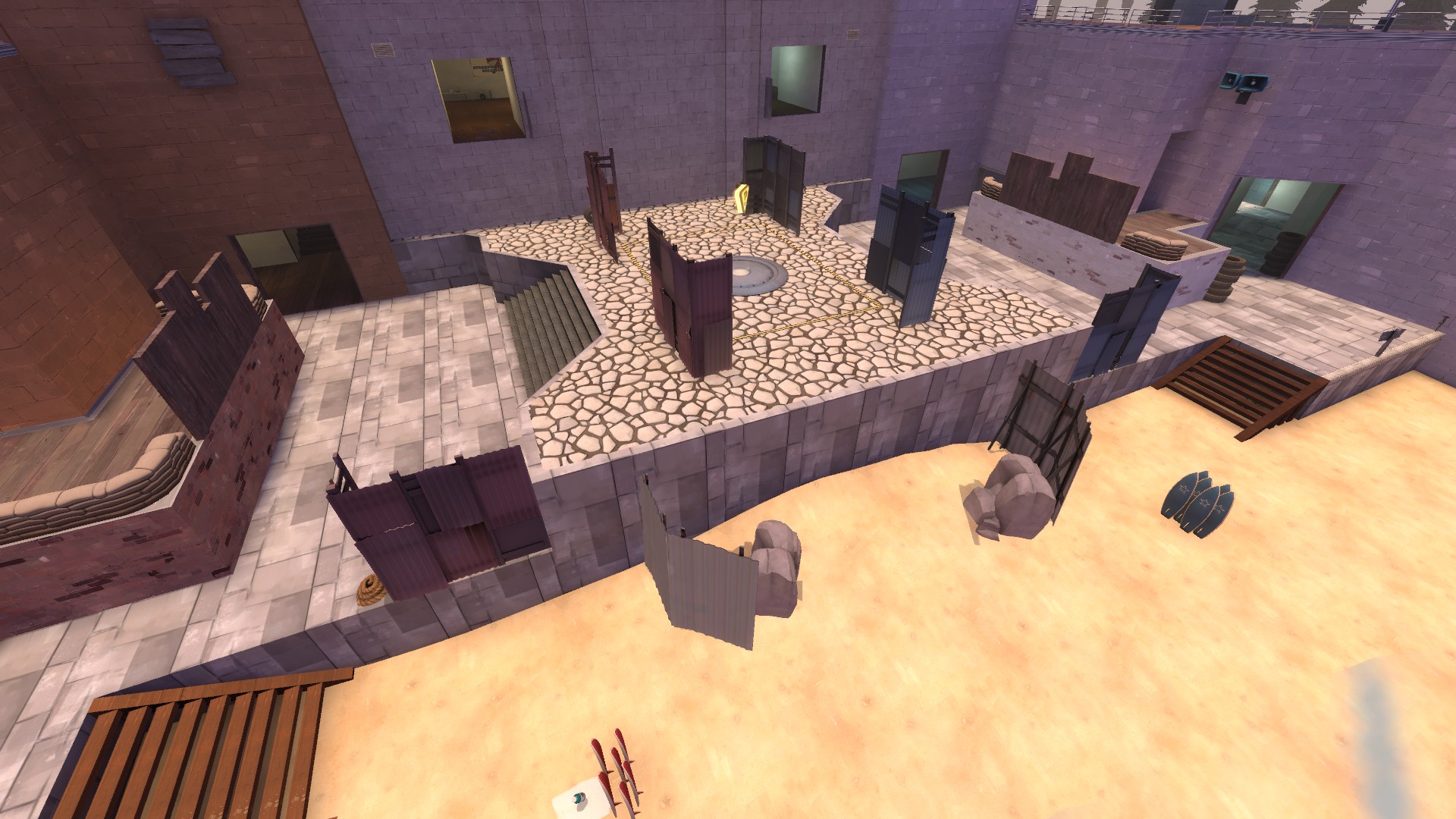
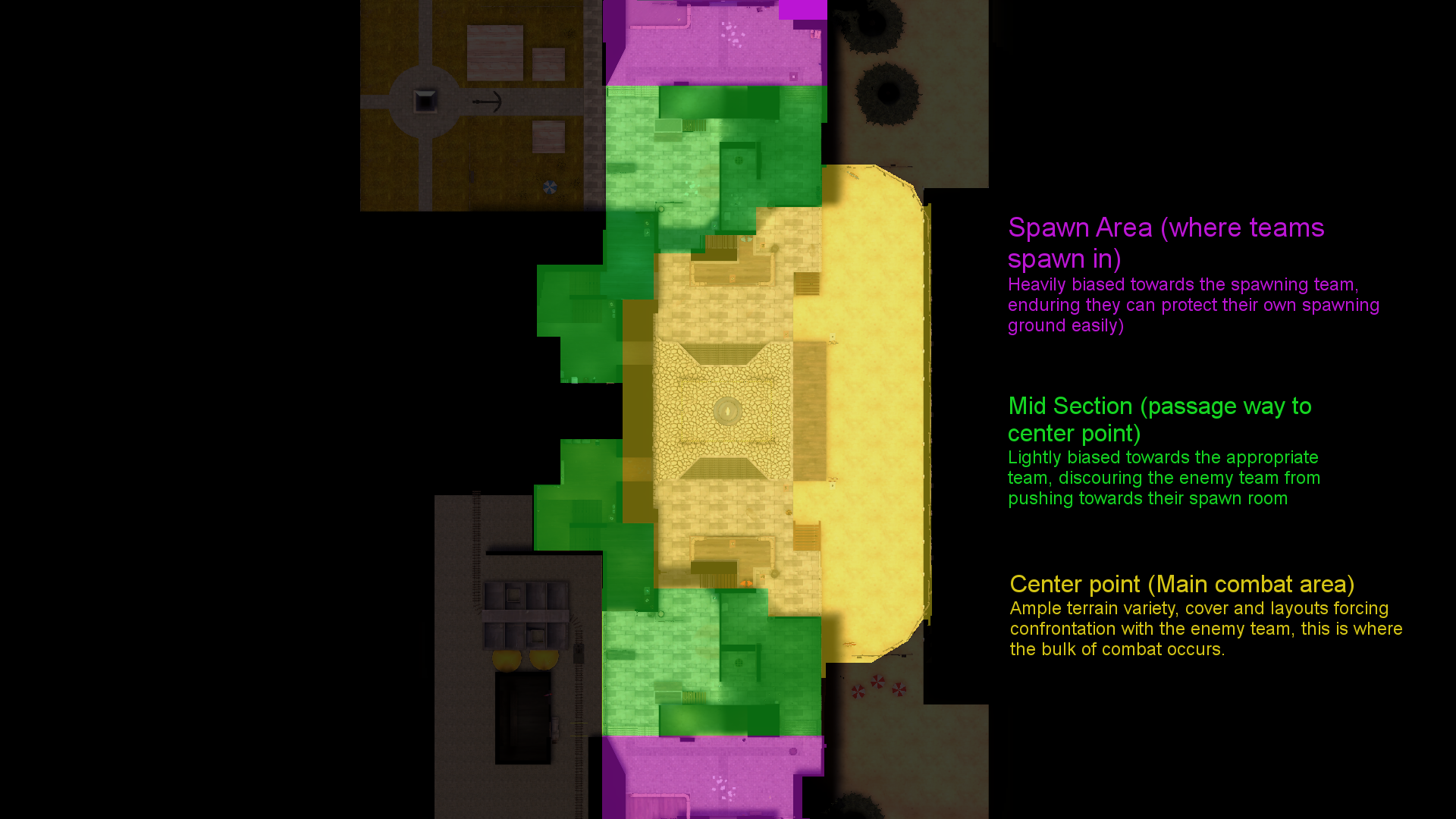
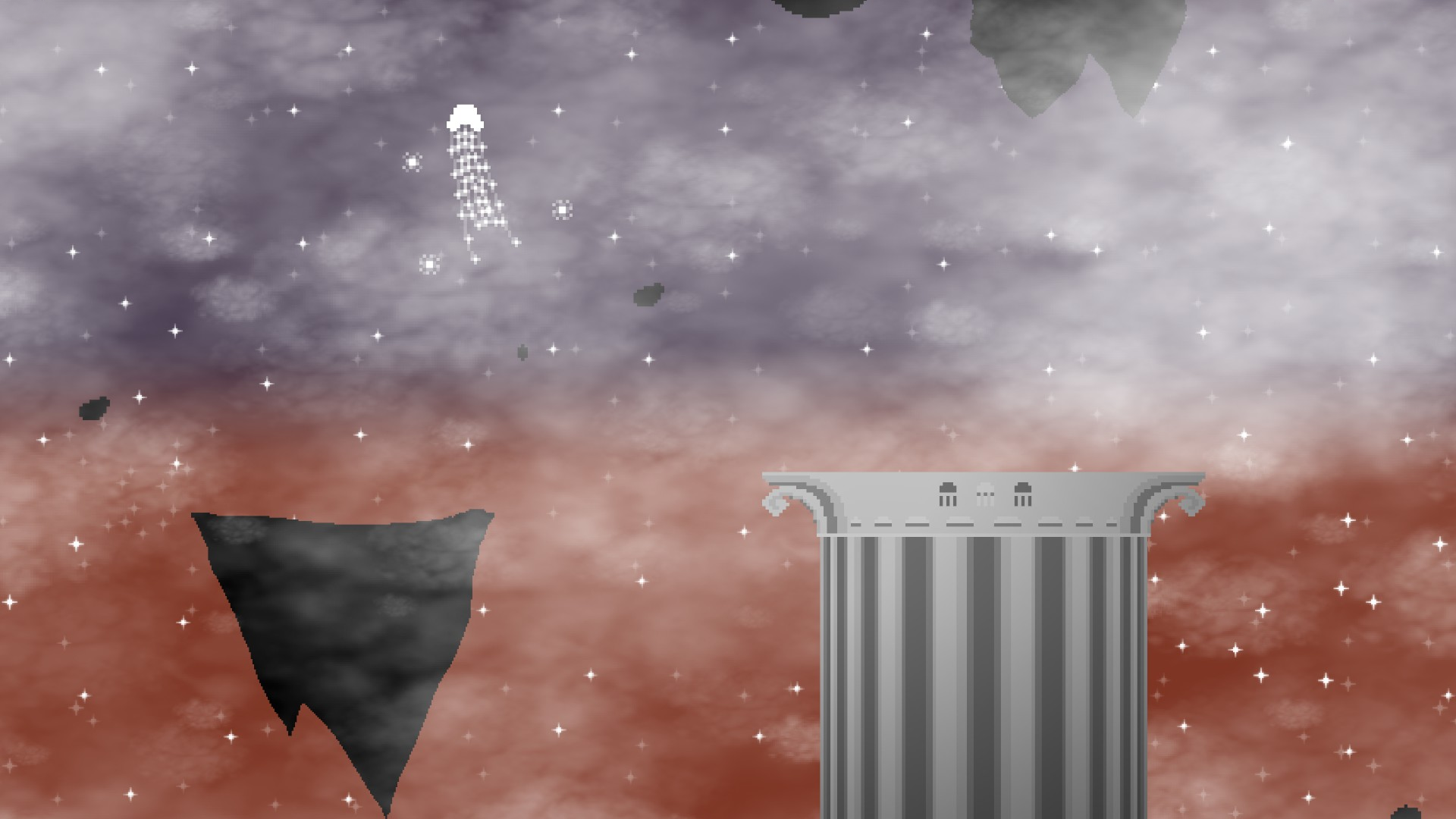
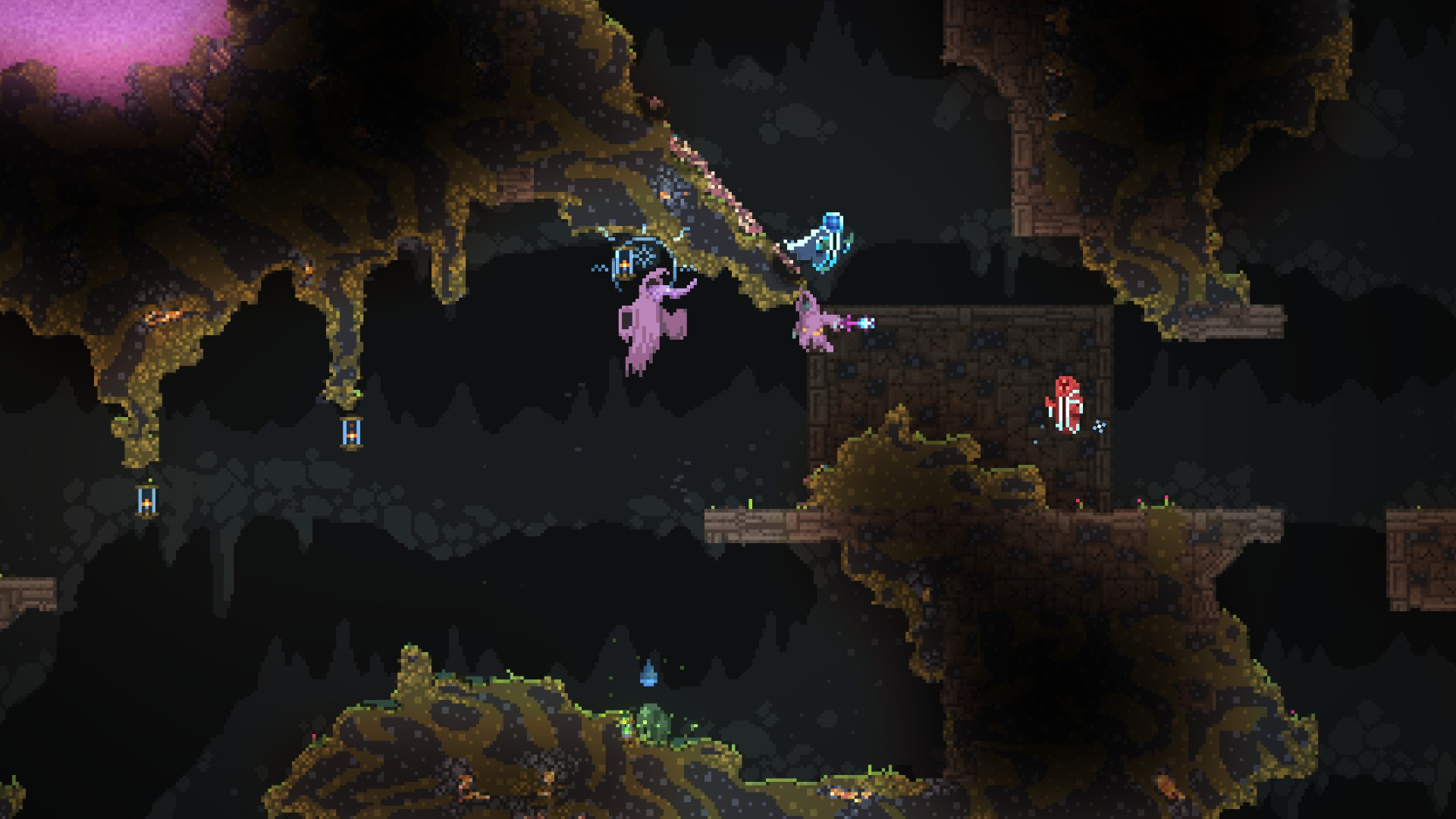
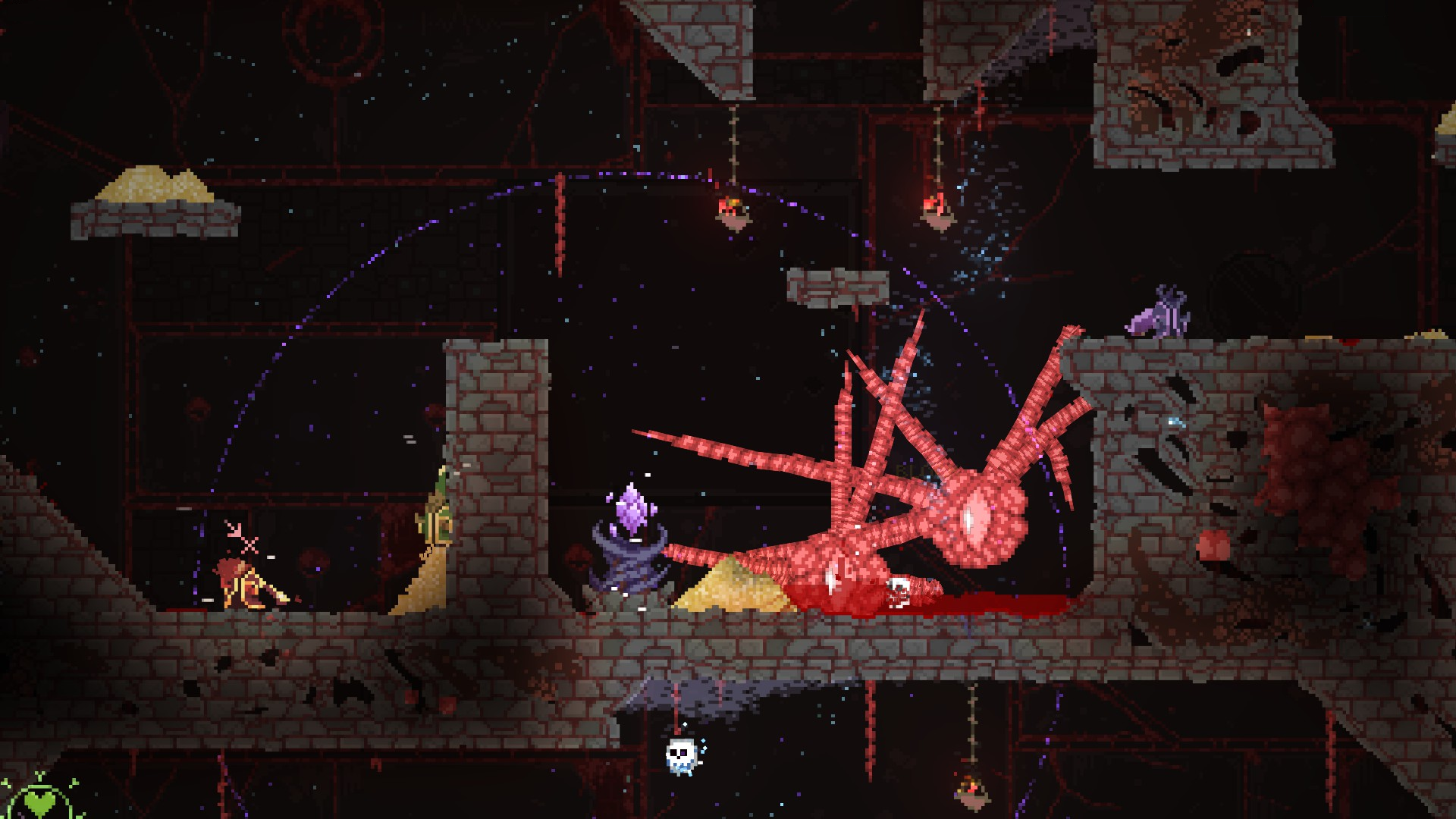
Apotheosis is the largest and most popular content mod for Noita, completely overhauling the game, over doubling the content within it, and introducing a litany of new mechanics.
This was my first project of such a large scale and it required over 4 years of devotion to get it where it is today.
Working on Apotheosis has been the biggest learning experience of my life. Beyond leadership, communicating and coordinating a team of developers to support the project, I've learned project management, code optimisation at scale (thousands of game objects loading in under a second), and approaches to improving my skills.

Apotheosis now has an active team of sprite artists, programmers, audio designers, and translators, and ships stable releases to over 70,000 subscribers on Steam.
Keeping a team moving over 4 years and over a dozen releases means managing work handoffs, project checklists, and documentation for everything from graphical and aesthetic consistency, code logic like enemy behaviours, and content coherence. New contributors can pick up a task and walk through it step by step.
The mod is also translated into Japanese, Russian and Chinese, and I coordinate with the translators directly to keep new content covered as it ships.
Shipping to an audience of that size comes with real release discipline: changes are tested, documented, and rolled out as versioned releases, and feedback from the community feeds directly into the next cycle.
The design process is the part I most enjoy talking about. Everything added to the mod is judged first by how it affects gameplay. This is my priority order for new content:

In practice, that means asking hard questions before anything ships. Does a new structure earn the attention it grabs? Does a redesigned spell read clearly against everything around it? Are a new enemy's attacks and threat level readable at a glance? And does the player feel treated fairly?
The design process for Apotheosis has always been gameplay-focused, while ensuring the content is accessible. The base game does a good job of ensuring that players from all backgrounds are able to enjoy it, and I've always prioritised following that principle. This includes hotkey/controller remapping, quality-of-life improvements, and more granular difficulty settings while remaining satisfyingly difficult to master.
Noita is a heavily aesthetics-based game, so audio and visual design were also critical to ensuring the mod's success. When onboarding people to the project, I've always taken time to ensure that new art remains in line with the game's unique pixel style, and music and sound effects correctly match the dark fantasy atmosphere.

From there, we add lore to ensure environmental storytelling and worldbuilding remain consistent with the base game. One major aspect of building long-term has been leaving the door open for future content by not writing into a corner. Just like the base game, we rely on our narrative system to create emergent stories, rather than prescribing everything upfront.
Every addition has to integrate smoothly with what already exists, give the player more decisions rather than fewer, and leave the door open for future content to build on it. A few well-designed systems that interact with each other multiply into far more content than any of them could alone.

 Website